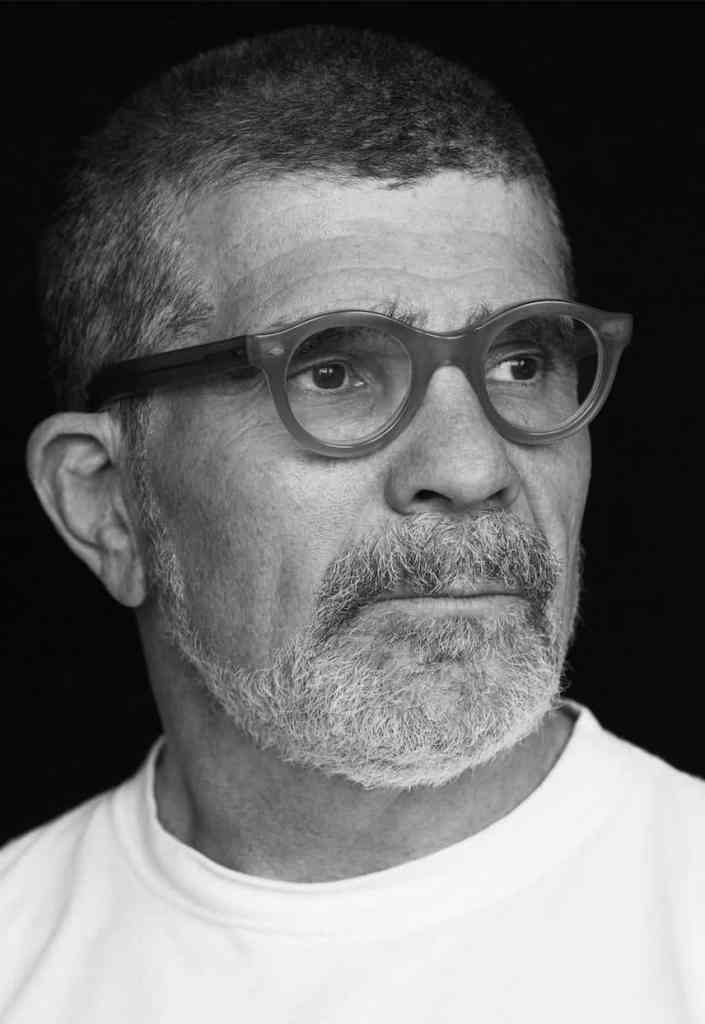
David Mamet is in our estimation one of America’s greatest playwrights. He challenges actors and audiences as few dramatists do, or are even able to do. Mamet has been taking on the issues of the moment for nearly five decades. Oleanna was written in 1992 in the aftermath of the Clarence Thomas hearings, during which the Senate Judiciary Committee and the court of public opinion were weighing the salacious accusations made by one Anita Hill of sexual misconduct on the part of the Supreme Court nominee, and Justice Thomas’s vehement denial, which famously indicted the proceedings as “a high tech lynching.” The hearings were broadcast live across the country; hardly anyone was without an opinion about who was telling the truth, but it was clear even then that everyone was viewing the hearings through the prism of their own biases. A similar fiasco occurred during the Judicial Committee hearings on Brett Kavanaugh in 2018, only this time the accusations were even more sordid and lurid than those leveled against Thomas. Ultimately both Justices survived the calumny to which they were subjected and were elevated to the Supreme Court. In both cases, the American people had participated in politcal Rorschach tests that prefigured which side they’ll be on when the excrement finally collides with the rotating oscillator–which, at the rate we’re going, should be any minute now.

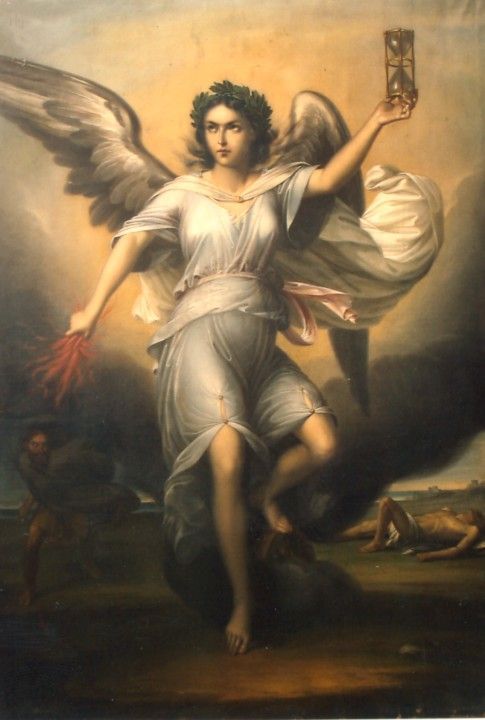
Mamet set Oleanna on a college campus, in the office of a professor of education. What happens between the professor, John, and his student, Carol, in Act I is an abstract ink-spot spatter that Mamet is holding up before his audience. In Act II, both sides contend over what actually happened in Act I. By Act III, the action careens toward a catastrophe that is both preventable and inevitable. The audience stares baffled by the carnage, why it happened, what could have been done to stop it, realizing ultimately that nothing could have been done to stop it. As in Greek tragedy, the price of Hubris is a visit from Nemesis, who will not depart the threshold until she’s been paid, usually in blood.
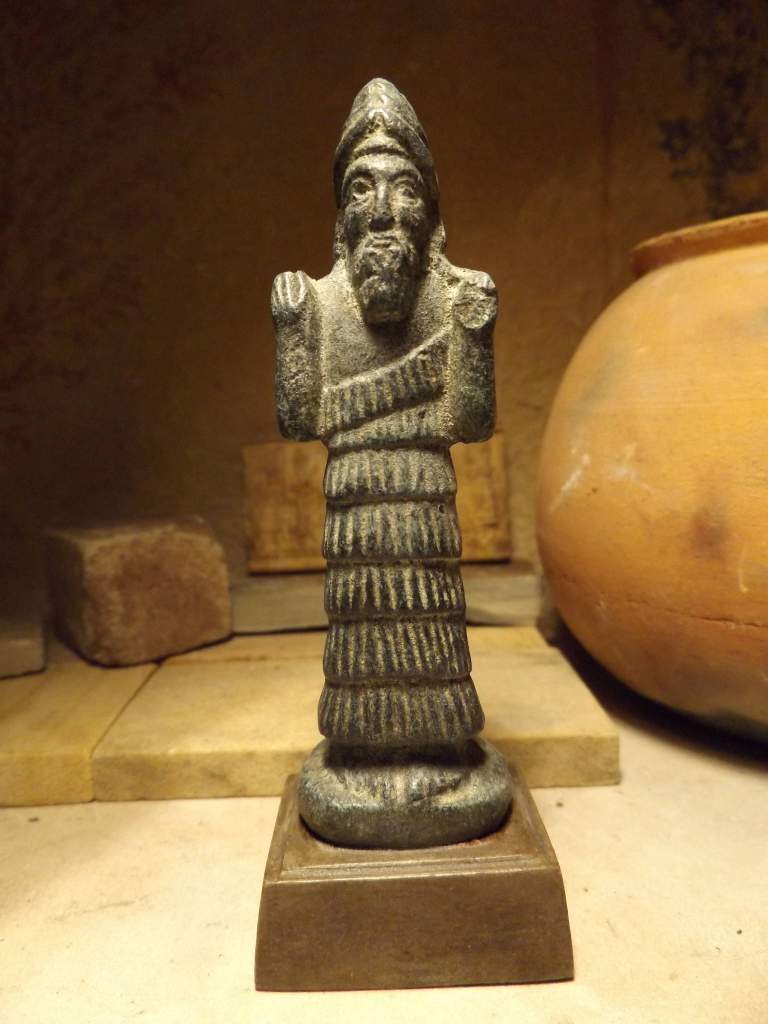
So it is with Oleanna. Although inspired by a political sideshow, the play is prophetic with respect to the state of Academia today. Instructors of all political persuasions report living in actual fear of their students; they never know whether today will be the day when a loose remark, an attempt at humor, or a moment of vulnerability will outrage a student, group of students, or colleagues– triggering a complaint, which triggers an investigation, and culminates in a long walk to HR at 3:00 PM on a Friday afternoon, a place where and time when nothing good ever happens. There the instructor faces The Administration, which is populated by homunculi spawned in a petrie dish by Meh, the Sumerian god of mediocrity. Ten minutes into the tribunal the instructor prays for the sweet release of death.
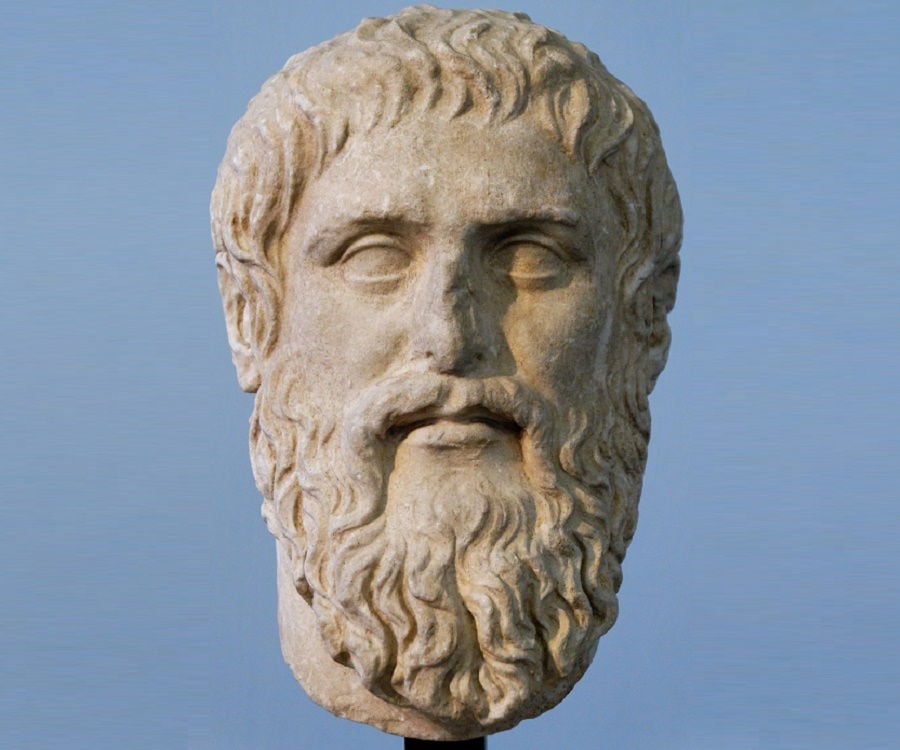
Instructors must therefore constantly police their own speech and conduct in order to avoid this medieval ordeal, this struggle session; they must take care to say nothing controversial, including assertions of what used to be unassailable scientific fact. There can be no dissent from the prevailing Narrative once the Academy’s highly credentialed expert thinkers of deep thoughts determine what it should and must be. Having been indoctrinated for years by these geniuses, students now have the power to literally destroy them and end their careers for cause, for no cause at all, or just for kicks. And why not? The postmodernism in which these kids have been marinating since the womb has taught them that there exists no objective principle which demands their respect for a system established two million years ago by a dead white male with a stupid Greek name. This is why those with independent minds and differing world views are leaving Academia in numbers sufficient to generate notice and alarm, and this includes teachers and students.
Because it is the most precient of the plays we have produced this season exploring the theme of “Miseducation,” Oleanna is the most immediate, the most relevant to what is going on right now in American education, thirty two years after its debut. That it endures and speaks so ruthlessly to us today is a testament to Mamet’s brilliance, his vision, his understanding of human nature, how we think, act, and speak. His characters are complex, his dialogue is raw, his humor is mordant, and his plays are unforgettable for both actors and audience, both of whom must be prepared to work very hard to wrestle with the material. Like the greatest artists in any field, Mamet is never pretty, but he is always beautiful, even when his characters are reduced to abjection and despair we would not wish on our enemies. In Mamet we find the essence of tragedy: man suffering beautifully (as opposed to Comedy, which is man suffering stupidly).
May you find beauty in all you do and in all that happens to you, and we thank you for your support of our work.
William Conte, Ph.D.
Artistic Director and Recovering Academic


 THEATRE of the POOR